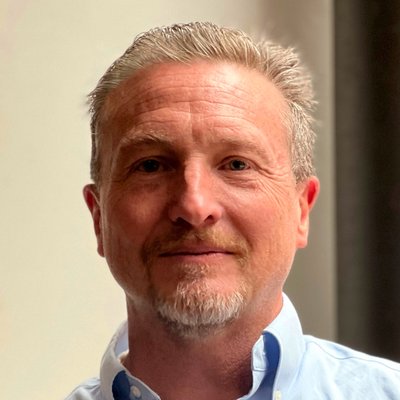
Lou Cripps
Physical asset management, from a $9 billion transit system to a small farm.
Asset management is not about the asset. It is about the decision. Every time we acquire, maintain, renew or retire something, we are choosing what we hand to the next person. I write and speak about making those choices on purpose.
I am a Fellow of the Institute of Asset Management (FIAM) and listed on the IAM Register of Asset Management Professionals. I started in aviation maintenance, then helped build the asset management function at the Regional Transportation District (RTD) in Denver, Colorado, and led it as Director of Asset Management. Today I work as an Expert Asset Management Consultant. I co-wrote two books with Ruth Wallsgrove, and I am now writing a third that brings the same discipline down to the scale of a small farm or homestead.
Books
- Building an Asset Management Team (2020), with Ruth Wallsgrove. Who you need on an asset management team and why. PDF (proceeds donated) from Talking Infrastructure, or paperback and Kindle on Amazon.
- Legacy: A Decision-Maker's Guide to Infrastructure (2025), with Ruth Wallsgrove. Eight principles for leaders who make long term infrastructure decisions.
- The Farm Operating System (forthcoming, early 2027). Practical asset management for small farms and homesteads.
Talks and publications
A selection of talks and publications, including Federal Transit Administration roundtables and webinars, the TRB Conference on Transportation Asset Management, Institute of Asset Management conferences, Assets magazine, and the Talking Infrastructure podcast series. The list is not complete.
Ideas
Plain language explanations of the ideas I use most.
- What is asset management?
- What is infrastructure stewardship?
- What is a premortem in asset management?
- What makes an asset management team work?
The Farm Operating System
Asset management is the same discipline whether the asset is a rail line worth nine figures or a well pump worth four hundred dollars. The questions I asked of rail lines and bus fleets apply to a well pump, a culvert and a tractor. What do we own? What condition is it in? What happens if it fails? Where should the next dollar and the next hour go? The book follows a minimum effective dose principle: start with the least that reliably works, then use recommended practice or an expanded approach when the stakes justify it.